3D scene reconstruction
ARTUS-2K
From Indoor Videos to
Lightweight Artist-Mesh Scenes
ARTUS aligns room geometry and object placement to a real indoor video, then exports lightweight, editable 3D scenes for rendering and simulation.
Explore the gallery- Indoor scenes reconstructed from video 1,042 from DL3DV-10K 999 from ScanNet++
- 2,041
- Average textured object size reduction
- 215×
- Average scene file size
- 613.25 MB to 3.44 MB
Scene gallery
Real rooms.
Reusable objects.
Explore reconstructions from indoor videos. Each scene preserves the room layout and keeps its objects separately editable.
Approach
From pixels to a scene.
ARTUS reconstructs static indoor environments from RGB video using multi-view geometry, object generation, and visual verification.
Parse the video
Recover the room geometry and gather observations of each object across frames.
Build the assets
Complete objects as dense PBR meshes and convert them into lightweight artist meshes with baked appearance.
Assemble and verify
Place the objects in a shared scene and use geometry and visual checks to catch omissions and inconsistent placements.
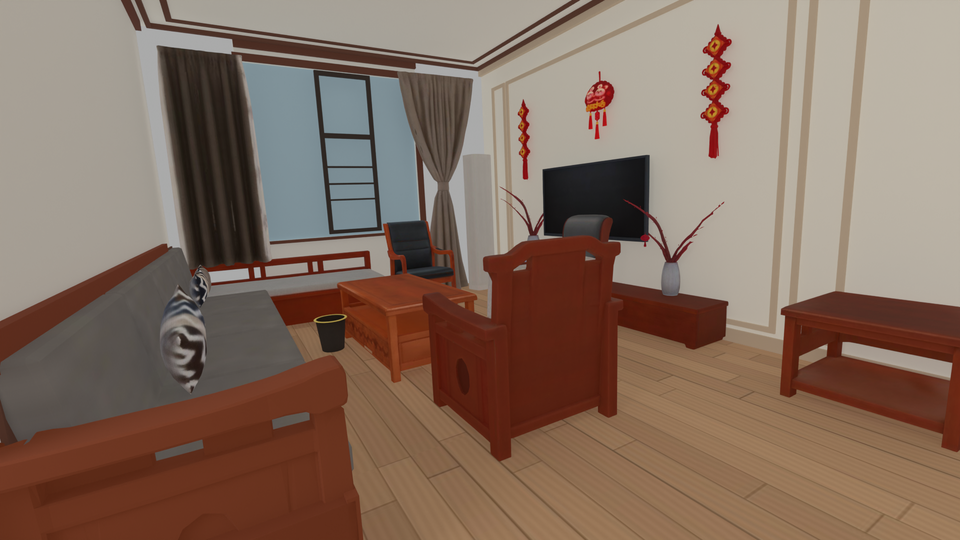
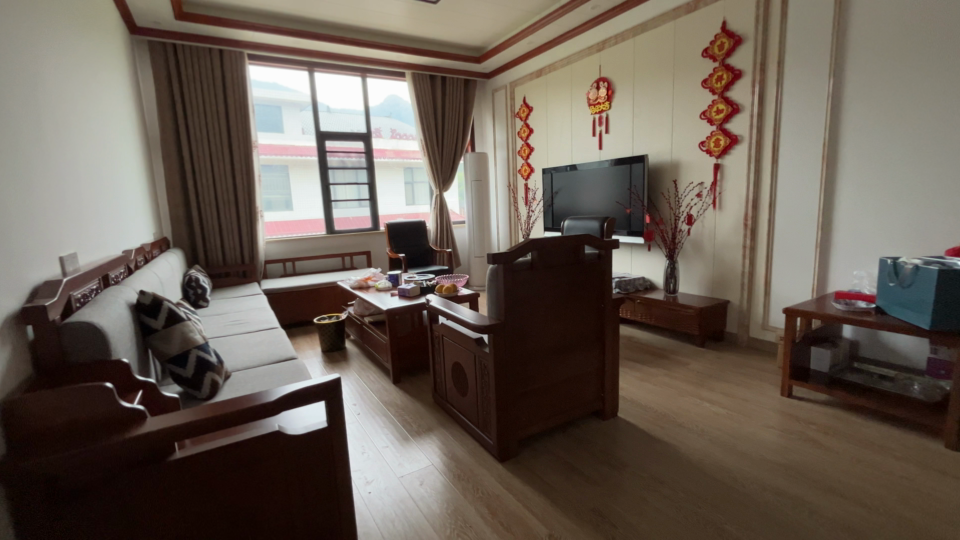
Pixel alignment
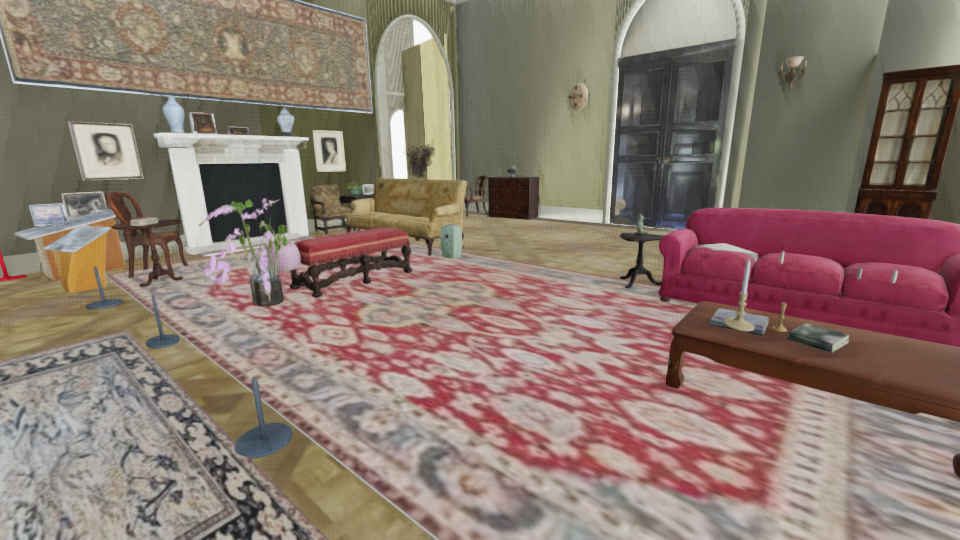
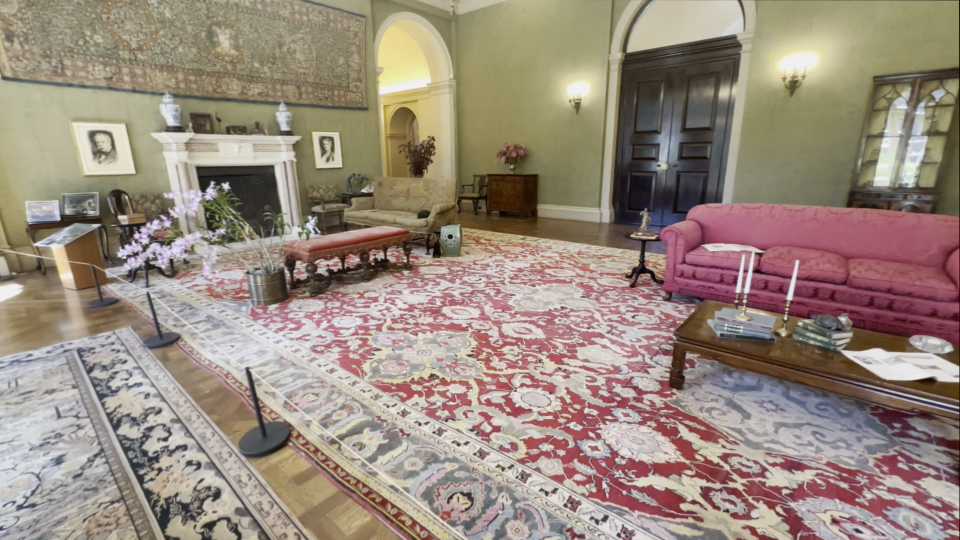
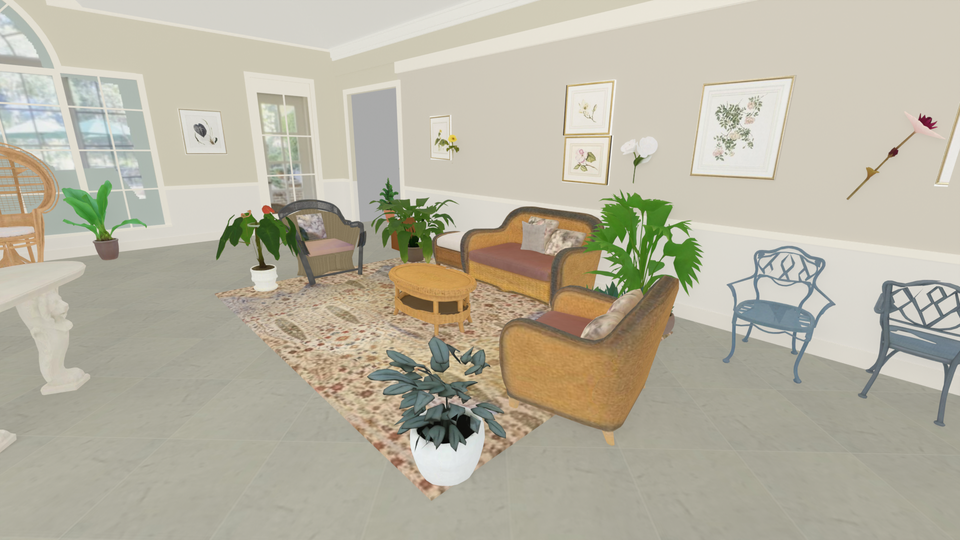
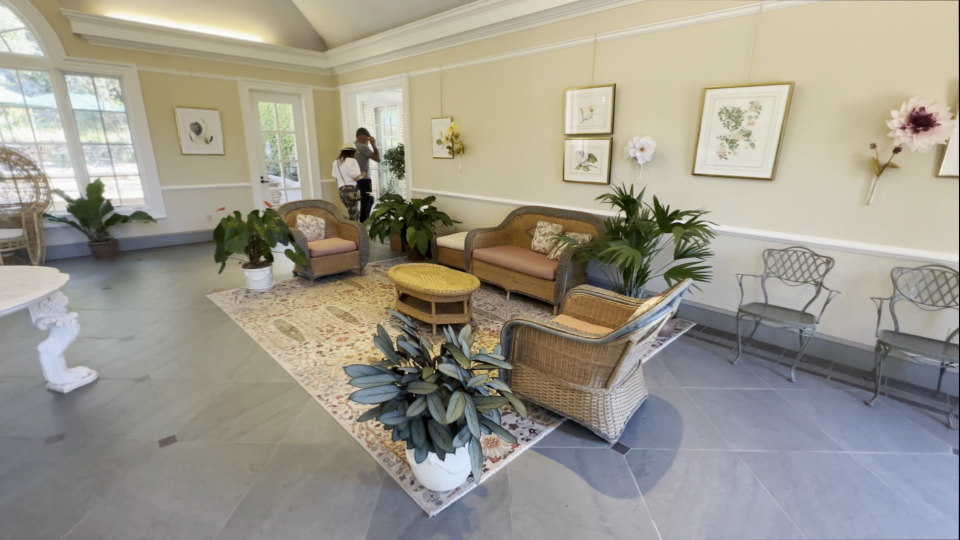
Input and reconstruction, aligned.
Drag to compare the RGB input with a render from the same camera. The lounge and living room views include manual 3D adjustments.
Interactive scene
Take the room apart.
Watch the reconstructed bedroom come apart and reassemble. Drag the divider to compare the colored mesh with the textured room.
Asset comparison
A lighter mesh.
Each synthesized object has two aligned representations. Drag the divider to compare the dense PBR asset with its compact artist mesh.
166.47× GLB size ratio
Simulation demos
Rooms in motion.
Reconstructed rooms provide geometry and object layouts for physics and robot tasks. The demos add the physical properties, joints, and controllers needed in simulation.
- Faster geometry-buffer loading
- 8.37×
- 277.7 s to 33.17 s across about 2,000 scenes.
- Lower geometry-buffer memory
- 15.1×
- 38.92 GiB to 2.58 GiB in the same loading benchmark.
- Higher RGB-D rendering throughput
- 1.9–7.7×
- Measured across unlit rasterization configurations.
- Higher robot training throughput
- 7.2%
- 84 concurrent PointNav scenes, with 11.5% lower sampled peak GPU memory.
BibTeX
Cite ARTUS-2K.
@unpublished{xu2026artus2k,
  title  = {{ARTUS-2K}: From Indoor Videos to Lightweight Artist-Mesh Scenes},
  author = {Xu, Rui and Xu, Linning and Qiao, Kaichun and Zhang, Qixuan and Xu, Lan and Komura, Taku and Wang, Wenping and Theobalt, Christian},
  year   = {2026},
  url    = {https://ruixu.me/html/ARTUS/index.html}
}